
Healthcare & Rehabilitation
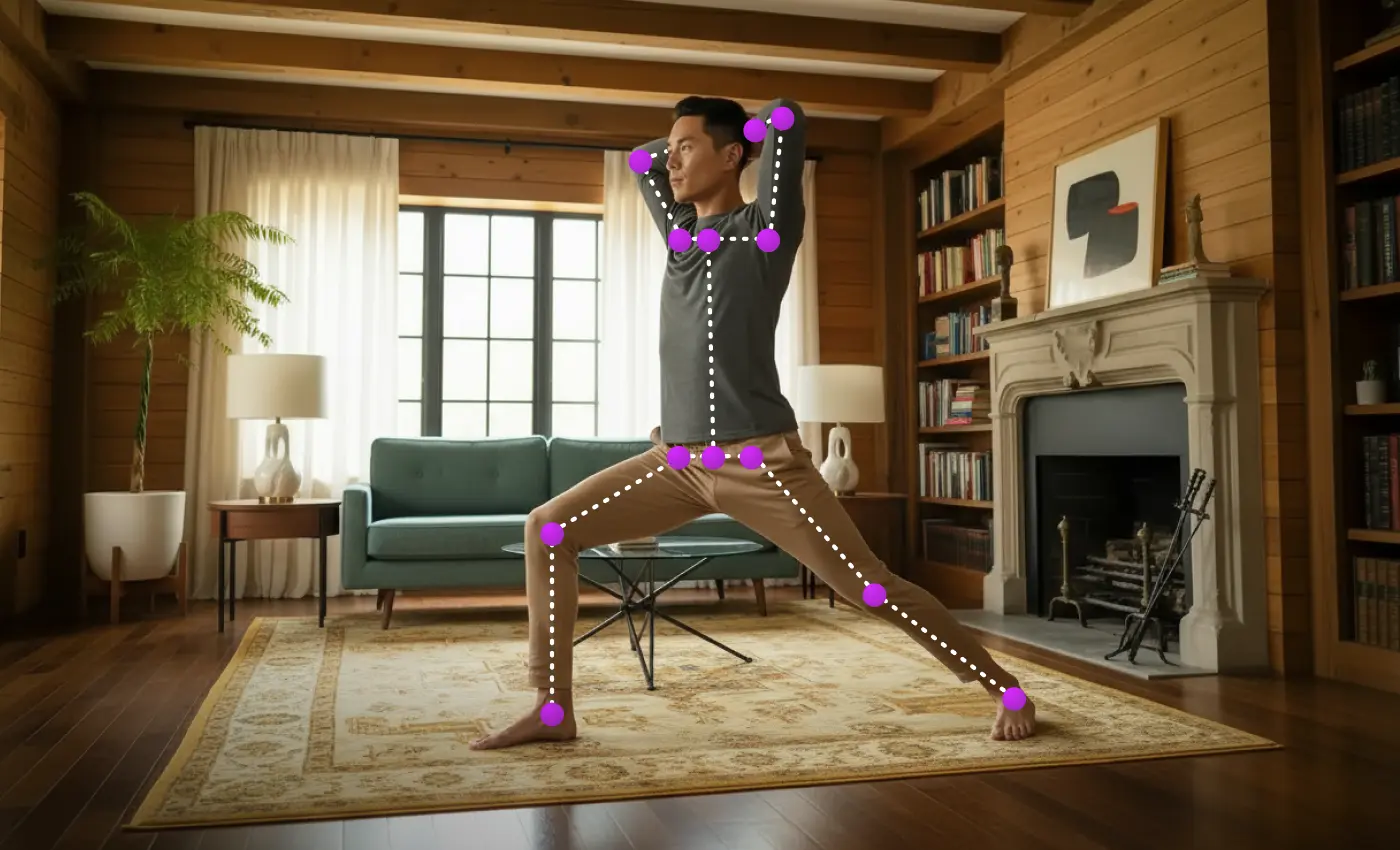
Standardize mobility measurement across PT, OT, and hospital settings to improve care quality and reduce documentation time.
Making an impact on
Healthcare & Rehabilitation
CareSpace is patient centered, provider supported.
Clinician workload decreases by 30–40% through AI-driven documentation automation, freeing providers to focus on patients rather than paperwork. Early intervention has a dramatic financial and clinical impact—when physical therapy begins within 14 days of injury, total care costs fall by 60%, and only 1% of patients ultimately require surgery. Virtual therapy further enhances access and continuity, with 95% of participants reporting improvement in function and pain reduction. Across the healthcare ecosystem, musculoskeletal disorders represent a $980B annual burden in the United States, ranking among the top three healthcare expenditures. Accurate range-of-motion assessment, digital posture analysis, and early detection prevent unnecessary procedures and streamline triage, benefiting both acute care systems and long-term rehabilitation networks. By integrating standardized movement data into routine care, clinicians gain objective insights that improve decision-making, reduce costs, and elevate patient satisfaction.